
All Inclusive Creative Retreats for Crafters: 2026 Guide
Updated: Oct 26
Table of Contents
Why All Inclusive Creative Retreats for Crafters Are Worth It
What an All-Inclusive Craft Retreat Package Usually Includes
Craft Retreats for Beginners: What to Expect Your First Time
Fiber Arts Workshops: Knitting, Spinning, Weaving, and Needle Felting
How to Compare Retreat Dates, Availability, and Total Trip Costs
Craft Retreat Planning: A Step-by-Step Checklist for Groups and Solo Crafters
Last Updated: October 19, 2026
Why All Inclusive Creative Retreats for Crafters Are Worth It
All inclusive creative retreats for crafters bundle lodging, meals, instruction, and supplies into one booking, so you arrive with a suitcase and leave with finished projects.
At Nome Schoolhouse, first-time guests walk into a restored 1916 schoolhouse unsure whether they belong in a studio; by the second morning they are carding wool with strangers who become friends.
A common mistake is treating a creative retreat as a vacation with a craft class bolted on.
Key Takeaway The real return on a craft retreat is time. One weekend of focused instruction can move your skills further than a year of scattered evenings at home.
What an All-Inclusive Craft Retreat Package Usually Includes
An all-inclusive craft retreat package typically covers lodging, meals, studio access, instruction, and most materials in a single rate. Details vary by venue, so read the inclusions list line by line before you book, the fine print decides whether you actually get a bundle.
The Five Buckets of an All-Inclusive Package
Every all-inclusive craft retreat can be sorted into five buckets. Ask the venue to confirm each in writing, because a package covering four of the five is a room with a class attached.
Lodging, nights on site, room type (shared, private, or single-occupancy), and whether the room is held for the full retreat or only class nights.
Meals, which meals are covered, whether they are group-served or off a menu, and how dietary needs are handled across every meal rather than dinner only.
Studio access, dedicated workspace, hours the studio stays open beyond instruction, and whether equipment is shared or assigned.
Instruction, scheduled teaching hours, instructor-to-student ratio, and whether one instructor leads the whole retreat or specialists rotate in.
Materials, what fiber, tools, and kits are provided, what you are expected to bring, and whether take-home supplies are part of the package or sold separately.
A well-run retreat states each bucket plainly. A vague inclusions list is the single biggest warning sign when you compare packages.
Lodging, Meals, and Studio Access
Most retreat venues provide shared or private rooms on site, group meals, and a dedicated workspace open beyond class hours. On-site lodging matters more than people expect: when your room is a short walk from the studio, you can work late without packing up or driving.
Ask whether meals are included every day or only on class days, and whether the studio is available outside instruction time.
Supplies, Instruction, and Take-Home Projects
Supplies are where packages differ most. Some retreats include all fiber and tools; others ask you to bring your own wheel or kit.
Take-home value matters too. Our signature needle felting kits exist because guests kept asking how to keep practicing after they left. A project you can finish and a kit to continue with turn a weekend into an ongoing creative practice, so count take-home value as part of what you pay for, not a bonus.
How to Tell a True All-Inclusive Package from a Partial One
Use this test before you book. A genuine all-inclusive package answers yes to all five:
Lodging is on site for every night of the retreat.
All meals during the stay are covered, with dietary needs confirmed in advance.
Studio access extends beyond scheduled class hours.
If any answer is no or unclear, treat the package as partial and budget for the gap. That is the difference between an all-inclusive retreat and a retreat with add-ons.
Key Takeaway All-inclusive is a claim, not a category. The five-bucket checklist turns a marketing phrase into a comparison you can actually make.
Craft Retreats for Beginners: What to Expect Your First Time
Craft retreats for beginners are built on the assumption that you have never touched the craft. Good instructors teach from zero, pace the day around your hands rather than a clock, and expect a few wobbly first attempts.
All Inclusive Art Retreat Under $1,000...You're Invited!
Kari Waltz
Here is what a first-timer should realistically expect:
A short demonstration, then hands-on practice with guidance at your elbow
A first project chosen to succeed within a couple of hours
Permission to abandon a project that is not working
The biggest worry we hear is, "I've never done fiber arts, is this going to work for me?" It does, provided the retreat groups by skill level. Ask that question directly before booking.
Pro Tip Bring a notebook and photograph each stage of your first project. Beginners forget the steps between sessions faster than they expect, and your own photos jog memory better than a handout.
Fiber Arts Workshops: Knitting, Spinning, Weaving, and Needle Felting
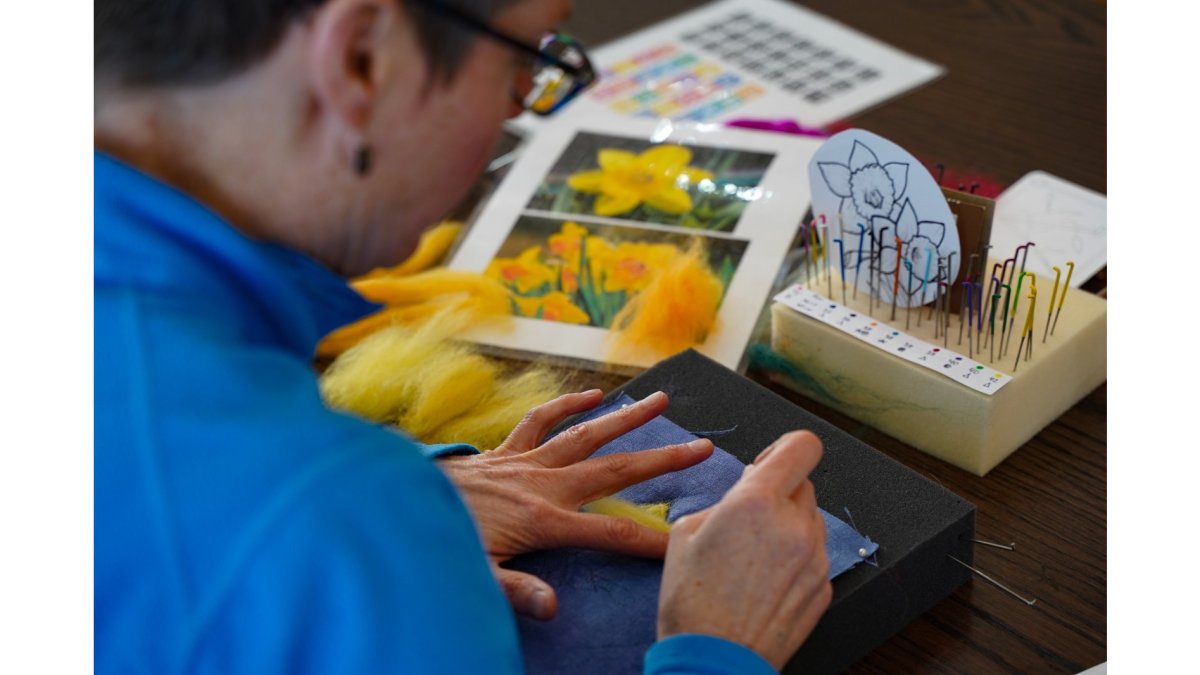
Fiber arts workshops split into four broad families, each rewarding a different kind of attention. Weaving appeals to planners who think in structure. Needle felting gives the fastest visible result, which is why it works so well as a first workshop.

Bar Bkfst B N
How the Four Workshop Families Differ
Craft | What a Workshop Session Looks Like | Skill Curve | Best For |
Knitting | Cast-on demonstration, then guided rows with pattern reading | Gentle, builds steadily | Makers who like rhythm and portability |
Spinning | Wheel or drop-spindle setup, then drafting and twist control | Steep at first, then intuitive | Patient makers who learn by feel |
Weaving | Loom dressing, then structure and color planning | Moderate, rewards planning | Makers who think in patterns and grids |
Needle felting | Shape building with a barbed needle, then surface detail | Fast first result | Beginners and anyone who wants a finished object quickly |
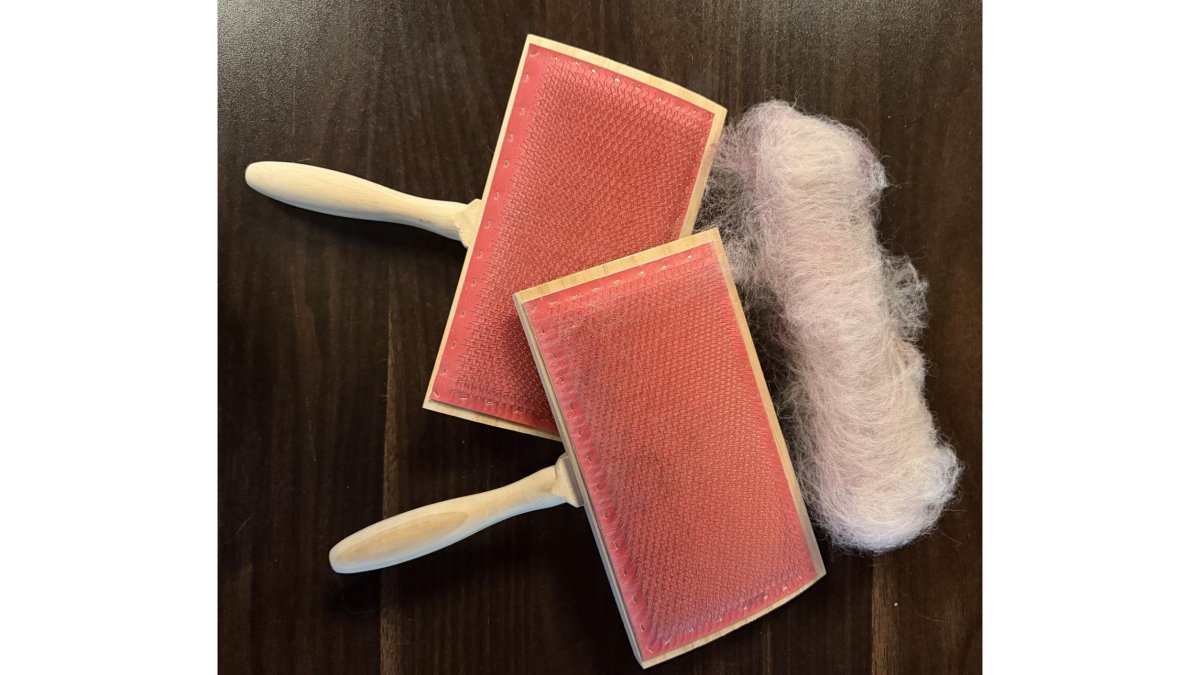
What most guides miss is that these crafts feed each other: a spinner understands yarn weight in a way a knitter who only buys yarn never will, and a weaver who has felted understands why fiber choice changes drape. At Nome Schoolhouse, our working fiber processing mill sits beside the teaching space, so guests can follow wool from raw fleece to finished yarn in one visit, the difference between a class and an education.
What to Compare Between Workshops
When you compare workshops, look at the instructor-to-student ratio and the raw materials provided: prepared roving teaches technique, while raw fleece teaches technique and material judgment together.
Session length and pacing, a two-hour demo is not the same as a full-day workshop with practice time built in.
Skill grouping, whether beginners and advanced students share a room or are split into separate tracks.
Project scope, whether you leave with a finished piece, a work in progress, or a sampler of techniques.
Matching the Craft to Your Experience Level
Beginners do best with needle felting or a structured knitting workshop, where the first success arrives within a session. Spinning and weaving reward a second visit; many guests treat their first spinning workshop as an introduction and return once the mechanics feel natural. Mixed-level retreats work when the instructor can split attention cleanly, which is why the instructor-to-student ratio matters more than the craft list on the brochure.
Pro Tip Ask the venue which workshop fills first. The most popular session tells you what the instructors do best, and it tells you how early to book.
How to Compare Retreat Dates, Availability, and Total Trip Costs
Total trip cost is the number that matters, and it is rarely the number on the booking page. Build your own figure by adding the package rate, travel to the venue, any materials not included, and the cost of projects you want to bring home.
Cost or Factor | What to Confirm | Why It Matters |
Package rate | Lodging, meals, instruction included? | Reveals the true per-day value |
Materials | Provided, or bring your own? | A hidden add-on if tools are extra |
Travel | Distance, airport, ground transport | Often the largest unbudgeted line |
Dates | Season, class schedule, availability | Peak weekends book out earliest |
Cancellation | Deadline and refund terms | Protects you if plans shift |
Group size | Maximum attendees per class | Smaller groups mean more guidance |
Pricing depends on dates, room type, group size, and the workshop you choose, so ask the venue for a current quote rather than relying on an older listing, then compare quotes on total cost for the same number of nights.
Questions to Ask Before You Book
Run this list past any venue before you commit:
What exactly is included in the rate, and what costs extra?
What is the cancellation and refund policy, in writing?
Are tools and materials provided, or should I bring my own?
Craft Retreat Planning: A Step-by-Step Checklist for Groups and Solo Crafters
Craft retreat planning gets easier when you work backwards from the dates. Whether you are organizing a group of eight or booking a solo escape, the sequence is the same.
Set your dates and budget first. Availability drives everything else, so pick a window before you fall in love with a venue.
Choose your craft focus. Decide whether the group wants one deep workshop or a sampler of several.
Confirm group size and skill mix. Tell the venue honestly where everyone stands so classes can be pitched correctly.
Ask about customization. Groups often want a schedule built around what they want to learn, not a fixed menu.
Collect dietary and accessibility needs early. Give the venue this list weeks ahead, not at check-in.
Book lodging and travel together. Confirm room types before flights.
Pack for the craft. Bring comfortable clothes, a notebook, and any personal tools the venue asks you to supply.
Solo crafters should ask one extra question: how the venue handles solo guests in shared studio time. A welcoming retreat pairs solo attendees with a table rather than leaving them to find their own way in.
Accessibility, Dietary Needs, and Solo-Traveler Suitability
Accessibility, dietary needs, and solo travel are the three details retreat listings cover worst, and the three that most often decide whether a guest has a good weekend.
On accessibility, ask about step-free routes from lodging to studio, bathroom layouts, and seating that works for long sessions.
A historic building can be charming and still be a poor fit for a guest with mobility limits.
Watch Out Booking a group retreat without written confirmation of dietary and accessibility needs is the most common planning mistake. Arriving with an unaccommodated need turns a relaxing weekend into a stressful one.
Conclusion
The hardest part of a creative retreat is deciding to go. Once you are in a studio with wool in your hands and makers around the table, the logistics stop mattering.
Nome Schoolhouse was built for exactly this. Guests can meet the fiber-producing animals, follow wool through the mill, and leave with a needle felting kit to keep practicing at home.
Book your room and give yourself a weekend that moves your craft forward.
Frequently Asked Questions
What is usually included in an all-inclusive craft retreat?
Most all-inclusive creative retreats bundle lodging, meals, workshop instruction, and basic supplies into one booking. Some add studio time, on-site fiber processing tours, and take-home project kits. Ask whether the package covers every meal or only breakfast, and whether tools like spinning wheels or felting mats are provided. At Nome Schoolhouse, retreat packages can include boutique hotel rooms, catering, and hands-on fiber arts workshops, with pricing depending on group size and dates, so request a quote for current details.
Are craft retreats suitable for beginners?
Yes. Many craft retreats for beginners are built around small-group instruction with no prior experience required. Look for workshops labeled beginner-friendly, a low student-to-instructor ratio, and supplies included in the package. Needle felting and basic spinning are common entry points because they produce a finished piece in a single session. Ask the organizer how long each workshop runs and whether you can switch sessions if a craft is not the right fit.
Can I attend a creative retreat without a group?
Solo attendance is common at creative retreats. Shared studio tables and communal meals make it easy to meet other makers, and small groups of eight to twenty people keep the atmosphere social without being overwhelming. Before booking, confirm whether single-occupancy rooms are available and whether any activities require a partner. Solo travelers should also ask about accessibility, dietary accommodations, and arrival logistics so the first day runs smoothly.
How do I plan a craft retreat for a group?
Start with a headcount range, preferred dates, and the crafts your group wants to learn, then contact venues directly to ask about group capacity and custom schedules. Confirm what the all-inclusive package covers, the cancellation policy, and any deposit requirements. Build in free time for relaxation and a supplies list for anything not provided. Booking several months ahead improves date availability, especially for summer and fall weekends when craft retreat planning demand peaks.
CLASSES & RETREATS
Comments