
How to Spin Wool From Raw Fleece: Step-by-Step
Updated: Oct 26
Table of Contents
Last Updated: October 18, 2026
Selecting and Preparing Raw Fleece for Spinning
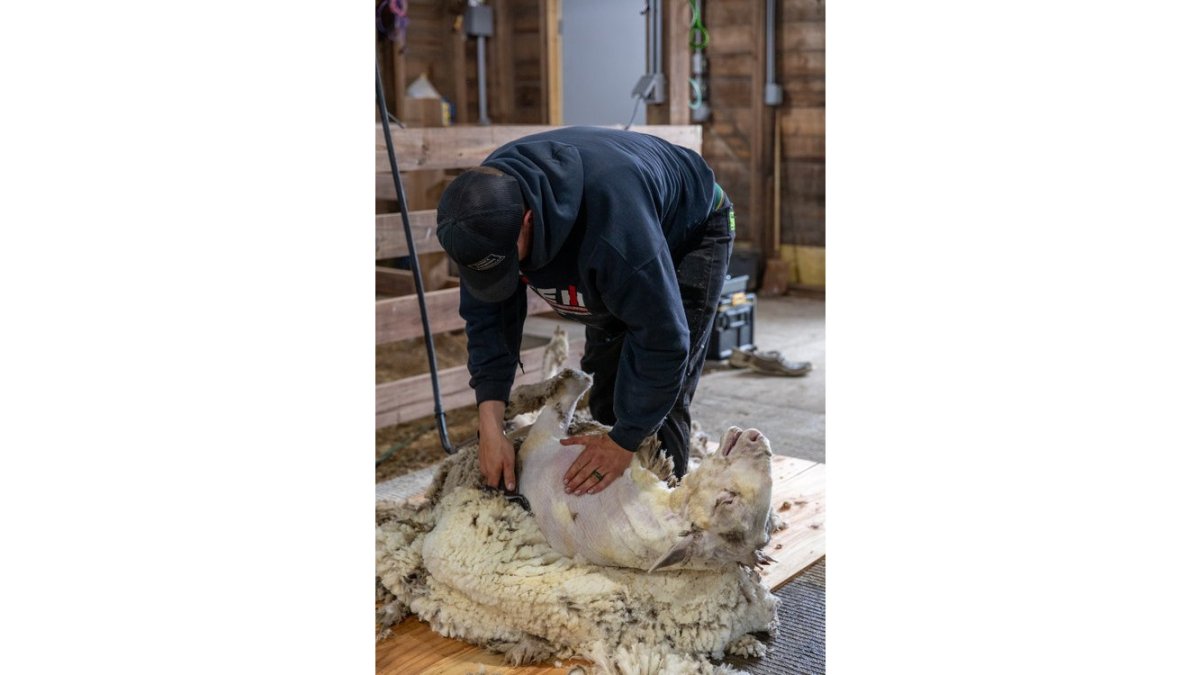
Learning to spin wool from raw fleece begins long before your hands touch a drop spindle. The foundation of quality handspun yarn rests entirely on fleece selection and preparation. Raw fleece contains lanolin, dirt, vegetable matter, and debris that must be removed before you can spin it into usable fiber.
At Nome Schoolhouse, we work with raw fleece daily in our on-site fiber processing mill. We've learned that most beginners underestimate how much preparation raw wool requires. The good news: preparation is straightforward once you understand the process.
Assessing Fleece Quality and Fiber Characteristics
Start by choosing the right fleece. Not all raw wool is created equal. Fiber characteristics vary dramatically by sheep breed, age, and how the animal was raised.
Look for these key qualities in raw fleece:
Staple length, the length of individual fiber strands. Longer staples (3 to 6 inches) are easier to spin than short ones. Measure a lock by gently pulling fibers straight.
Crimp, the natural wave pattern in the fiber. Crimp indicates elasticity and strength. Fibers with consistent, visible crimp spin more smoothly.
Color and brightness, clean, bright fleece spins better than dull, yellowed fiber. Yellowing often signals age or poor storage.
Fineness, how thick individual fibers are. Fine fibers (under 25 microns) feel soft. Coarser fibers work better for sturdy, rustic yarn.
Check for contamination before you commit to a fleece. Part the locks and look inside. You should see clean fiber, not matted sections or heavy debris. Fleece with excessive vegetable matter or manure caked throughout will waste your time in washing.
Removing Debris and Skirting
Skirting means removing the dirtiest, shortest, and most damaged parts of the fleece. This happens before washing and saves you hours of work later.
Lay the raw fleece on a clean surface. Look for these problem areas:
Edges and belly, these sections pick up the most dirt and manure
Locks with heavy vegetation, seeds, hay, and plant material embedded in fiber
Matted or felted sections, areas where fibers have already bonded together
Short, weak fibers, the tips often break easily
Pull away the unusable sections and set them aside. Keep the clean, long-staple locks for spinning. Skirting removes 10 to 30 percent of the raw fleece, depending on quality and how the animal was kept (pubmed.ncbi.nlm.nih.gov).
How to Wash Raw Wool for Spinning
Washing raw wool is essential. Lanolin and grease coat the fibers, making them slippery and difficult to spin. Water and heat remove lanolin without damaging the fiber structure.
The washing process requires patience. Rushing through it or using water that's too hot can felt the wool, making it unusable. Temperature stability matters more than heat level.
Managing Lanolin and Grease
Lanolin is the natural oil sheep produce to protect their fleece. It's waxy, sticky, and prevents fiber from gripping during spinning.
Use hot water and a gentle detergent. Fill a basin with water as hot as you can comfortably touch (around 140°F to 160°F).
Let the fleece soak for 20 to 30 minutes. The hot water and soap break down lanolin. You'll see the water turn cloudy and slightly oily.
Lift the fleece carefully and drain the soapy water. Do not squeeze or wring. Gentle handling prevents felting.
Rinse the fleece in fresh hot water of the same temperature. Use water as close to the original temperature as possible. Temperature swings cause fiber to felt.
Drying Fleece Properly
After the final rinse, remove excess water by gently pressing the fleece between your hands or against the side of the basin.
Air drying is best. Spread the fleece in a single layer on a clean surface with good airflow. A drying rack or mesh screen works well.
Drying takes 2 to 7 days depending on humidity and fiber thickness. The fleece is ready when it feels completely dry to the touch. Damp fiber will mold or develop odor.
Store clean, dry fleece in a breathable cotton bag or box. Keep it in a cool, dry place away from moths and pests. Properly stored clean fleece stays usable for years.
Preparing Clean Fleece: Carding and Opening Locks
Once your fleece is clean and dry, preparation continues. Fibers are now ready to be opened and aligned for spinning. This step transforms tangled locks into organized fiber.
How i spin wool yarn from raw sheep fleece
Welsh Cottage
Carding aligns fibers in the same direction. It also removes any remaining small debris and opens matted sections. The result is fluffy, ready-to-spin fiber.
Picking and Opening Locks
Picking is the first step. It means gently opening and loosening the locks without carding.
Hold a lock gently between your hands. Pull the fibers apart slowly and steadily. You're not trying to separate individual fibers, you're opening the lock so fibers can move freely.
Work through the entire fleece this way. Picked fleece spins faster and more evenly than unpicked locks. If your fleece is already fairly open, you can skip picking and move straight to carding.
Creating Rolags and Batts for Spinning
Hand cards are two rectangular brushes with short wires. They prepare fiber for spinning.
Place a small handful of picked fiber on one card. Use the other card to brush through the fiber with gentle, overlapping strokes. Work from the tips of the fibers toward the base.
Transfer the carded fiber to your other hand. Roll it gently into a rolag, a loose cylinder of fiber about 2 inches long. Rolags are ideal for drop spindle spinning. They feed smoothly and spin evenly.
If you prefer a different format, create batts instead. A batt is a flat sheet of carded fiber. Batts work well for spinning wheel users or for creating thicker yarn.
Wool Spinning Tools for Beginners
Two main tools exist for spinning: drop spindles and spinning wheels. Each has strengths. Your choice depends on budget, space, and learning style.
Drop Spindles vs. Spinning Wheels
A drop spindle is simple and affordable. It's a weighted stick with a hook at the top.
Drop spindles teach the fundamentals of spinning. You feel the fiber directly. You control the twist. This hands-on feedback helps you learn quickly.
A spinning wheel automates the twisting motion. Your feet work a treadle while your hands feed fiber. Wheels are faster and less tiring for long sessions. They can be a significant investment.
For beginners, a drop spindle is the practical choice. You'll learn the core skills without a large investment. Once you understand how fiber behaves, you can decide if a wheel makes sense for your goals.
How to Spin Wool With a Drop Spindle
Spinning with a drop spindle combines three actions: drafting fiber, creating twist, and winding yarn. These happen together in a flowing rhythm.

Drop spindle with natural colored wool
Mastering the consistent twist of your hand-spun yarn ensures that your finished projects remain durable and resilient.
Drafting and Creating Twist
Drafting means pulling fibers apart to create the thickness you want. Hold the rolag in your non-dominant hand.
With your dominant hand, hold the spindle about 12 inches below. Attach the fiber to the spindle hook. Spin the spindle clockwise (away from you).
As the spindle rotates, twist travels up toward your pinching fingers. The twist locks fibers together.
The rhythm is: spin, draft, spin, draft. Your hands work in coordination. The spindle's weight does most of the work. You guide the process.
Twist is what holds yarn together. Too much twist creates stiff, brittle yarn. Too little twist and the yarn falls apart. Consistency comes with practice.
Building Consistent Singles
Singles are individual strands of yarn before plying. Your goal is to create singles with consistent thickness and twist.
Common mistakes include:
Drafting too fast, creating thin, weak spots
Spinning too much twist, making the yarn stiff
Inconsistent tension, resulting in lumpy yarn
Stopping the spindle too often, creating weak joints
To build consistency, focus on rhythm. Let the spindle do the work. Your hands guide, not force.
Wind finished singles onto the spindle shaft. When the shaft is full, transfer the yarn to a bobbin or ball. Continue spinning until your rolag is finished.
How to Ply Handspun Yarn and Set the Twist
Plying means twisting two or more singles together. This creates balanced, strong yarn. Most handspun yarn is two-ply (two singles twisted together).
To ply, you need two bobbins of singles. Wind them onto separate bobbins if they're on the same spindle. Secure both bobbins so they can rotate freely.
Attach one single to your spindle hook. Hold both singles together in your left hand. Spin the spindle counterclockwise (toward you). This twists the singles together.
As you ply, the two singles wrap around each other. Twist from plying locks the singles in place and creates a balanced, stable yarn.
Winding Skeins and Setting Twist
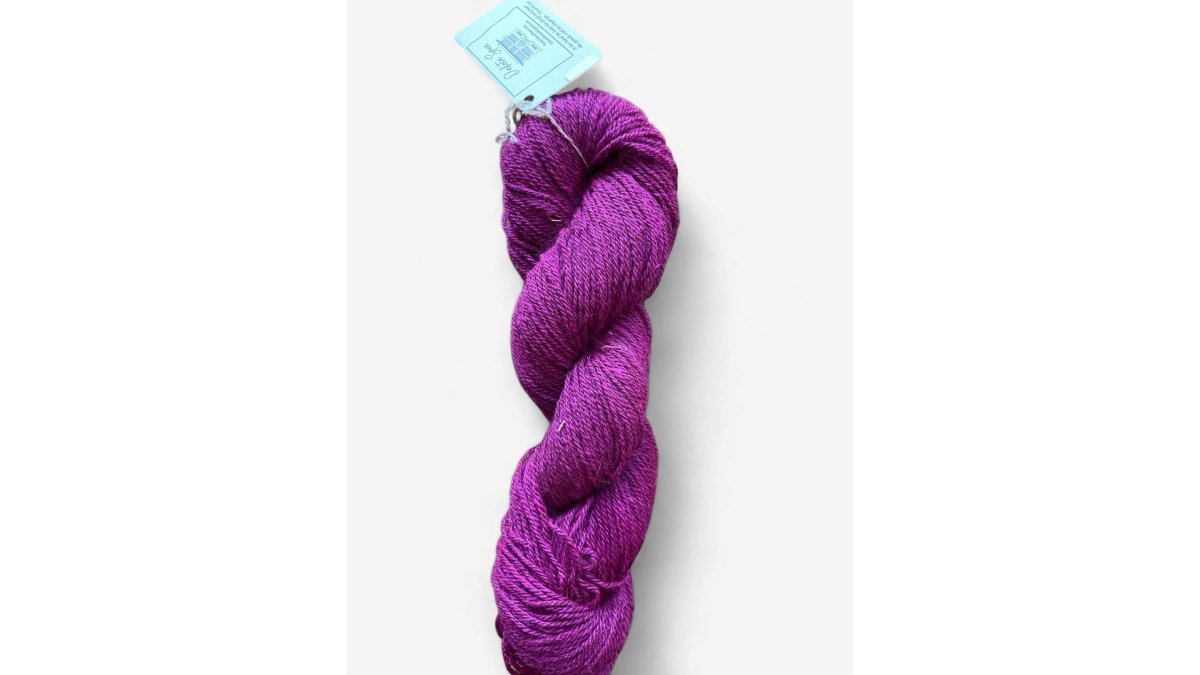
Once plying is complete, wind the yarn into a skein. A skein is a loose coil of yarn, typically 100 to 200 yards.
Use a skein winder or wrap the yarn around your hand or a chair back in a large loop.
Tie the skein loosely in 2 to 3 places with a short piece of yarn. This prevents tangling.
Setting the twist is the final step. Wet the skein in warm water with a small amount of mild soap. Soak for 15 minutes. Gently squeeze out water without wringing.
As the skein dries, the fibers relax and the twist settles. This creates balanced, stable yarn that won't unravel or felt unexpectedly.
Troubleshooting Common Spinning Issues
Even experienced spinners encounter problems. Most issues stem from drafting speed, twist level, or fiber preparation.
Yarn keeps breaking, Your fibers aren't aligned well enough. Go back and card more thoroughly.
Yarn feels lumpy or uneven, Inconsistent drafting causes this. Slow down and focus on steady, even tension.
Yarn is too thin in spots, You're drafting too much fiber at once.
Yarn feels stiff or brittle, Too much twist is the culprit.
Fiber won't hold together, Your rolag may be too loose or your fibers aren't aligned.
Yarn tangles while plying, Keep both bobbins at the same tension.
Most problems disappear with practice. Your hands learn the right tension and rhythm. Early attempts feel awkward.
Learning to spin wool from raw fleece transforms how you relate to fiber. At Nome Schoolhouse, we believe this hands-on learning creates deeper appreciation for fiber arts. Many guests extend their stay in our hotel rooms to deepen their learning, and we offer catering to support multi-day fiber arts retreats. Visit our fiber arts retreat center to book your spinning workshop and experience the complete journey of creating yarn from raw fleece.
Frequently Asked Questions
What's the best way to process raw sheep fleece before spinning?
Start by removing debris and vegetable matter through skirting, then wash the fleece in warm water with mild soap to remove lanolin and grease without felting it. Rinse thoroughly in progressively cooler water, dry completely on a flat surface or drying rack, then open locks by hand and card the fibers into rolags or batts. This preparation ensures clean, workable fiber ready for spinning into yarn.
Can you spin wool without washing the fleece first?
Technically yes, but not recommended. Unwashed raw fleece contains lanolin, dirt, and debris that make spinning difficult, create uneven yarn, and can damage your spinning tools. Washing removes these contaminants, making the fiber smoother and easier to draft. The result is cleaner, more consistent handspun yarn with better finish and feel.
How do you keep handspun yarn an even thickness?
Consistency comes from steady drafting speed and even tension on your drop spindle or spinning wheel. Practice maintaining a regular rhythm as you pull fibers from your rolag and allow twist to travel up. Focus on releasing the same amount of fiber at each moment. Start with thicker yarns to build muscle memory, then gradually work toward finer, more uniform singles that ply into professional-looking finished yarn.
What tools do you need to spin wool from raw fleece?
Essential tools include hand cards or a drum carder for fiber preparation, a drop spindle or spinning wheel for creating twist, and basic items like a drying rack, measuring ruler for staple length assessment, and a skein winder for finishing. A swift helps manage yarn during plying. Many beginners start with a drop spindle and hand cards, which are affordable and portable, before investing in a wheel.
FIBER ARTS
Comments